Sustainable Development Practices for Eko Atlantic Projects


Introduction to Eko Atlantic
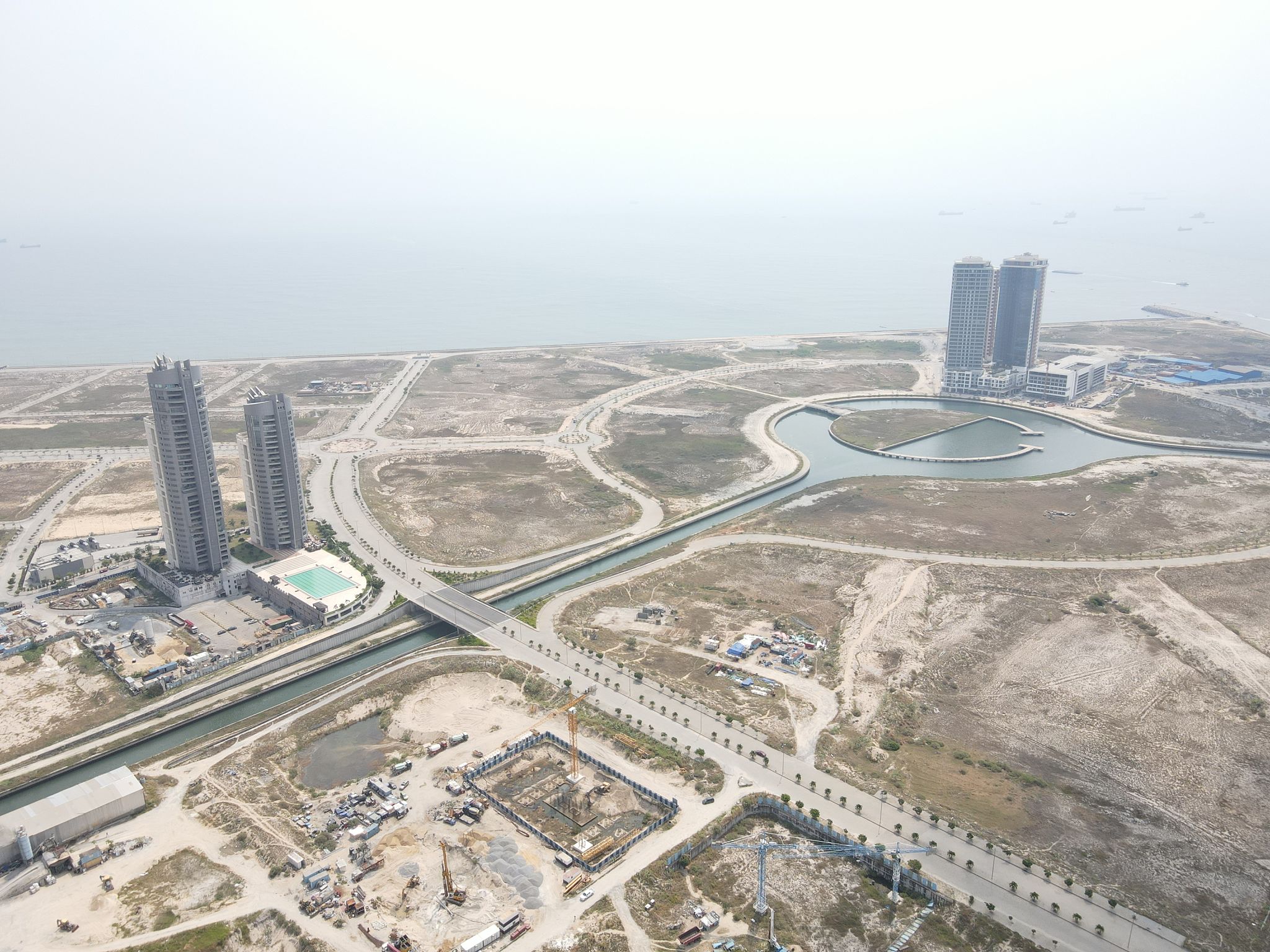
Eko Atlantic is a groundbreaking urban development project situated on reclaimed land off the coast of Lagos, Nigeria. Designed to combat the effects of coastal erosion and provide a new space for Lagos's growing population, it encompasses residential, commercial, and recreational areas. A key component of this project's success is its commitment to sustainable development practices.
Embracing Green Infrastructure
One of the most significant aspects of Eko Atlantic's sustainable approach is its emphasis on green infrastructure. This includes the integration of green spaces, parks, and gardens throughout the urban landscape. These areas not only enhance the aesthetic appeal but also contribute to the reduction of urban heat and improve air quality.
Additionally, the project has incorporated efficient water management systems. These systems utilize rainwater harvesting and wastewater recycling, ensuring a sustainable supply of water while minimizing environmental impact.
Renewable Energy Initiatives
In line with global sustainability goals, Eko Atlantic has invested in renewable energy solutions. Solar panels have been installed across various buildings, providing a clean and efficient energy source. This reduces the dependency on fossil fuels and decreases the carbon footprint of the development.

Wind energy is also being explored as a viable option, with potential plans to incorporate wind turbines in the future. These initiatives highlight Eko Atlantic’s commitment to sustainable energy practices.
Eco-Friendly Construction Practices
The construction of Eko Atlantic has been guided by eco-friendly principles. Materials used in building are sourced locally to minimize transportation emissions, and construction processes are optimized to reduce waste. This not only conserves resources but also supports local economies.
- Use of recycled materials
- Minimization of waste through efficient processes
- Support for local suppliers
Transportation and Connectivity
Transportation within Eko Atlantic is designed to be sustainable and efficient. The project promotes the use of electric vehicles and has plans for developing a robust public transportation system. This reduces traffic congestion and lowers emissions.

Furthermore, pedestrian-friendly pathways and cycling tracks encourage residents and visitors to choose healthier, more sustainable modes of transportation.
Community Engagement and Education
Sustainability in Eko Atlantic extends beyond physical infrastructure to include community engagement. Educational programs and workshops are organized to raise awareness about sustainable living practices. These initiatives empower residents to contribute positively to the environment.
By fostering a culture of sustainability, Eko Atlantic ensures that its practices are embraced by all who live and work there, creating a lasting impact.
Conclusion
Eko Atlantic stands as a model for sustainable urban development, incorporating innovative practices that address environmental challenges while enhancing quality of life. Through green infrastructure, renewable energy, and community engagement, it sets a precedent for future developments worldwide.